My reading got a little side-tracked as the year went on, largely due to some other interests and problems taking up my time. Nevertheless, I was able to work my way through the following books, one way or another. Perhaps they are an odd group, compared to what I've been reading lately, but sometimes when the mood strikes to read something specific, you follow it, you know?

by John le Carré
After enjoying so many other books in the universe of George Smiley and the Circus, I decided to check out the first one, which is also le Carré's first novel, period. It was such a compelling read that I ended up finishing it two days after I started! While it's a much simpler story, featuring only a handful of characters, it made for a fascinating mystery thriller and provided some of the early foundations that le Carré would build upon later.
In this one, George Smiley is tasked with interviewing Samuel Fennan to make sure he isn't a traitor to United Kingdom's Secret Service. The interview goes well, and Smiley marks him clear of any issues (despite Fennan having spent some time as a communist in college a few decades earlier). However, the next morning, Fennan is discovered dead with a suicide note, saying that his reputation is ruined and he can't go on dealing with everyone else's suspicions. This surprises Smiley, and when he speak's with Samuel's wife Elsa, she reports that Samuel was very upset by the interview, despite George assuring Samuel directly that everything will be fine. Then, during the interview with the wife, her phone rings, and George suggests he takes it, as his superiors did mention that they might call him there. However, when he picks up the phone, he instead gets a wake up call for the dead man that was set up the night previous. The wife tries to explain that it was for her, but Smiley doesn't believe her, setting off a murder mystery for him to unravel.
The first thing I noticed was that this book was much faster paced (and shorter) than the ones I had read before. After a few chapters, the story just dives right in, and while there are a few moments where Smiley gets to think, the whole thing has such a massive sense of forward momentum that I couldn't put the thing down! We also are also introduced to a few of the regulars, such as Smiley's infamous wife Ann, his sidekick Peter Guillam, and a big introduction for Inspector Mendel, who goes with Smiley to get to the bottom of this. He show up in the later books, but in a much smaller capacity, so it was a delight to see Mendel take up so much space, casing the streets and questioning mooks for clues, especially when Smiley ends up in the hospital for a while. However, because the story was much more plot focused, there wasn't a strong theme beyond the pain of seeing what you built become a problem for you down the line.
Overall, while I enjoyed the book, it clearly doesn't have the density or atmosphere he would establish with later books, reading more like a brisk airplane novel. However, it is fascinating going back to this one to see where Smiley's (and le Carré's) career started and picking up on the themes and characters that he would expand upon later. While it's not his best, it could certainly work as a great starting point to get into le Carré's books and his dense world of intrigue and spycraft.

by John le Carré
Right after I finished Call for the Dead, I jumped right into the next Smiley mystery. In the span of the series, this one is definitely the black sheep, as it has very little to do with the Circus or Cold War intrigue. Instead we're given a rather straight-ahead murder mystery taking place in a very peculiar part of rural England. While the novel does give us a bit of a different side of Smiley, as he's in a very different environment, I found this one to be less satisfying.
Ailsa Brimley is the editor for a magazine that often gets letters from its regular readers, and when one sends a message about how she thinks her husband is going to kill her, she gets worried. As she once worked under George Smiley as one of his agents during the war, she decides to reach out to him and have him go check on her. He agrees, but when he gets to the town of Carne, he's too late, and she's dead. At first, Smiley pursues this mystery mostly as a favor, but eventually, he seeks out justice for his own reasons as he learns more about the victim's circumstances.
I think one of the reasons why I struggle with this novel is its emphasis on the society of the small English town, and likely leans into subtleties that may be obvious to British readers, but I feel get a little lost when you don't know the context quite so well. Much is made of the local public school, with its staunch, old-fashioned attitudes, especially as those who work there have an incredible amount of arrogance over the rest of the people in the area, leading to quite a bit of social tension (at the crossroads of which is where our victim found herself, figuratively). It doesn't help that many of the principle actors seem to be pretty double-faced, so Smiley has to weave his way through various gatherings and conversations in order get to the bottom of the case, forcing him to rely on his ability to read people than on deductive logic. While there are some clues to follow, the novel focuses on this atmosphere so much that it kinda chokes the book.
Still, it wasn't a bad read, as le Carré remains a solid writer. I just kind of wish the ending didn't lean so hard into implications and maybe tried to explain things better, but again, maybe I'm just too American to really understand it all. From here, le Carré goes straight to The Spy Who Came In from the Cold, which I reread (largely because it was part of a three-in-one book with the first two, which is a different one from the other three-in-one where I first read that spy novel classic). Rereading that has been pretty fun, as not only knowing the end from the beginning makes it easier to pick up the clues, but there are quite a few references to Call for the Dead, which I hadn't known before. In any case, le Carré would go on from here to become one of the greatest spy novel writers, but it's clear to see he started from a pretty good place with these two books.
While I don't want to necessarily list the books, this past year I did pick up an interest in classic mythology. Somehow, the old tales were calling to me, for one reason or another, and I ended up reading a few books about these things.

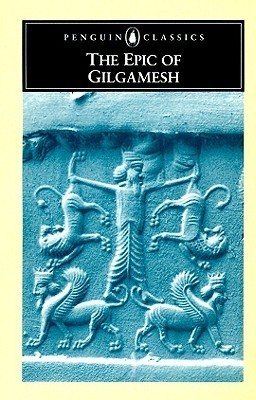

Well, that should wrap things up for 2025. I don't know how much reading I'll do in 2026, but I know I've got my finger in more than a dozen books, so if I ever finish any, I'm sure to write about them at some point. I probably should try to do more with the blog, but I've made that promise before. However, I'm certain to have more things to share as I continue reading.
No comments:
Post a Comment